DFW Venue
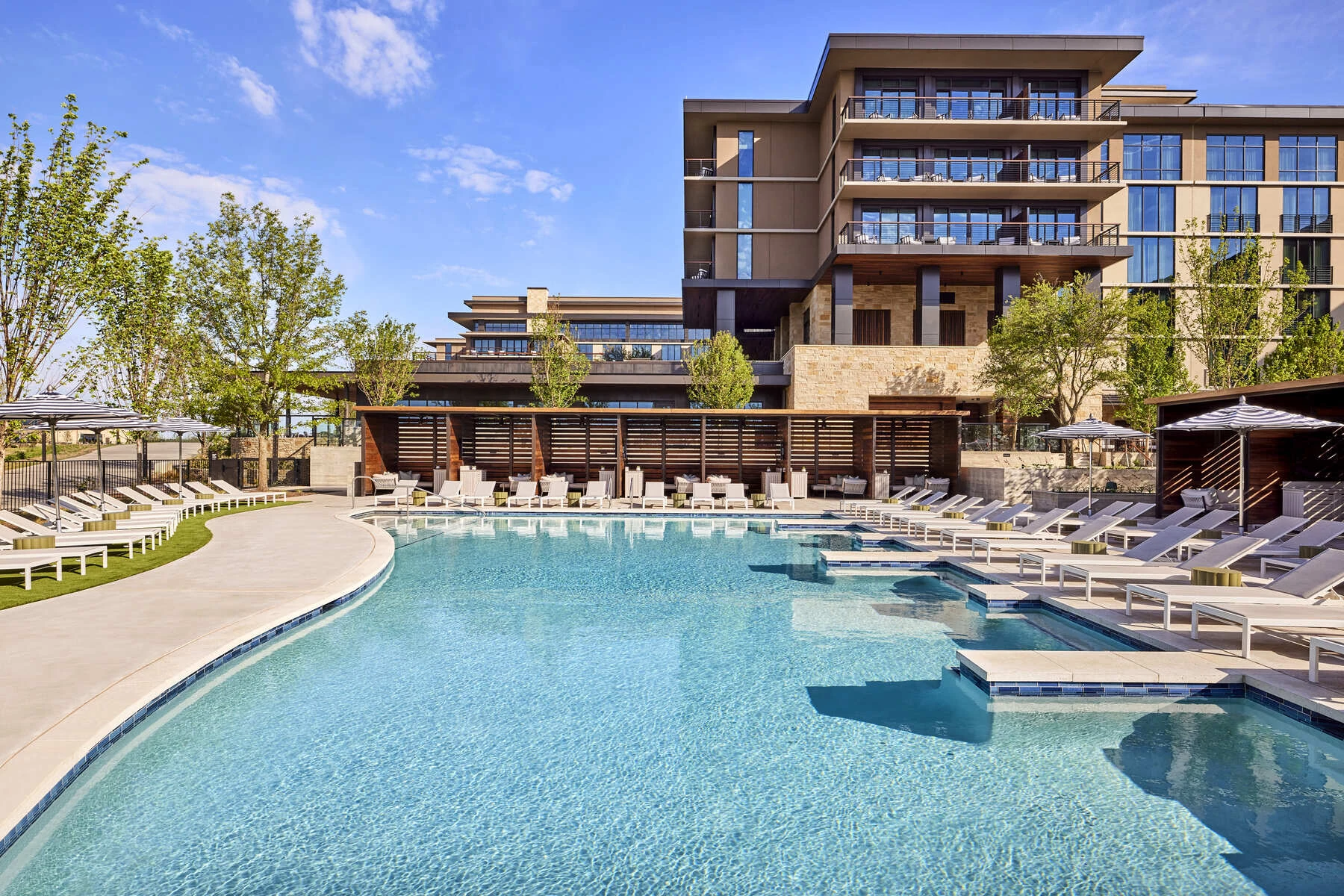
Omni PGA Frisco Resort
We run shows at Omni PGA Frisco Resort regularly.
Move-in cadence, ceiling heights, and house labor rules at this venue shape how we plan freight, AV, and labor for an exhibit program.
Use the operating notes here to scope the project before drawings, freight, and staffing get locked in.
Why Omni PGA Frisco Resort matters inside the DFW venue mix
High-value resort venue section for executive events, launches, and hospitality-led programs in Frisco.
When we evaluate venue fit, the main question is not simply whether the building is attractive or well known. It is whether the venue’s rules, logistics, room inventory, and service ecosystem line up with the event model.
What our venue notes confirm
Visit Frisco says the resort has 500 guest rooms and suites plus 10 four-bedroom ranch houses.
The official listing says the property has more than 127,000 square feet of indoor and outdoor meeting and event space.
Operational notes that affect execution
That venue-rule approach matters in DFW.
The cleaner the coordination, the easier it becomes to protect budget, install timing, and the client-facing show experience.
How we plan around Omni PGA Frisco Resort
Planning for the resort starts with the event format, footprint, and timeline, then moves into venue-specific assumptions. If the venue documentation points to preferred or exclusive partners, that gets built into the scope. If the building’s value is more about room mix, adjacency, or district access, the plan emphasizes those operating conditions instead.
The same venue can serve very different program types depending on how the scope is organized. A conference-support environment, a sponsor activation, a product launch, or a booth-forward expo presence all need different planning logic even when they happen inside the same building.
Service stack, event fit, and booth logic
For the resort, the strongest service pairing usually begins with portable display setups and expands outward based on program format. Brand Activation Services often adds a useful event model, while double deck exhibits helps define what kind of footprint logic makes the most sense inside the venue.
The better those connections are understood early, the more likely the program is to open on time and feel intentional once attendees, speakers, sponsors, or exhibitors arrive on the floor.
Best-fit market context around Omni PGA Frisco Resort
The resort should also be understood inside its local market lane. The related location section for this venue is Frisco, TX, but most clients will also care about adjacent cities and venue clusters because the DFW market does not behave like a single isolated downtown.
It gives clients a more complete view of how one venue fits into a larger regional schedule, multi-venue strategy, or repeated exhibit program.
Questions to confirm before Omni PGA Frisco Resort is locked
It is also worth clarifying whether the venue is being chosen for attendee convenience, sponsor visibility, hospitality value, exhibit scale, or district positioning. A venue can be strong for one of those goals and weaker for another. The better that intent is defined, the easier it becomes to shape drawings, freight logic, staffing, and field leadership around what the venue actually does well.
Once those answers are in place, the resort becomes much easier to plan around. The venue section can then do what it is supposed to do: support informed decisions, reflect reference-backed realities, and connect the building to a delivery strategy that makes sense in Dallas-Fort Worth.
Final planning checks for Omni PGA Frisco Resort
The resort is most useful when venue facts are translated into planning decisions early instead of sitting in the background.
When the venue section works, it gives the buyer enough context to make smarter calls before the project becomes expensive to change.
Dallas-Fort Worth trade show market
Trade shows in the city move fast.
Scope gets tighter; standards don't.
Who handles what during Dallas-Fort Worth install window
Most of what goes wrong on a the city install traces back to assumptions about labor. Staying inside the venue's published rules for the specific show prevents it.
On most the city shows, the labor plan takes one call with the venue's exhibitor services desk, one review of the current manual, and one email to the general contractor. Skipping any of those three is usually where problems start.
Line items on a typical project
Individual projects layer or remove items based on scope.
Those run alongside the engagement rather than inside it.
From first call to strike
Everything downstream hinges on those answers.
Venue coordination comes next.
With venue details locked, production runs.
The install phase has one owner on the floor.
During show hours, the booth is a live operating space.
Budget and timeline
The levers that matter: build path (custom, rental, or hybrid), footprint, venue service fees, graphics, freight, and supervision days. A 10x10 turnkey rental and a 30x50 custom island with a double deck are entirely different projects.
A clean schedule starts 4 to 5 months out for custom work and 2 to 3 months for rentals. Shorter lead times are workable but push rush premiums and limit material choices.
Outcomes we optimize for
Exhibitors who measure programs seriously track leads, floor-booked meetings, and post-show pipeline. The build and the install are upstream inputs to those KPIs.
Client teams sometimes want the booth to carry the pipeline on its own, but the best-performing programs treat the booth as a platform and put real operators on it. On-floor conversation discipline moves the KPIs more than any scenic decision.
The advantage of a local Dallas-Fort Worth team
The difference from a national vendor shows up at the dock.
Over a multi-show calendar, the compound value of a single team shows up in fewer surprises. The second install is faster than the first, the third is faster than the second, and by the fourth the project runs on memory and documentation rather than first-principles planning.
Working at Omni PGA Frisco Resort
The resort has 500 guest rooms and suites plus 10 four-bedroom ranch houses.
The property has more than 127,000 square feet of indoor and outdoor meeting and event space.
On any the resort project, the first step is pulling the current exhibitor manual and confirming the service-order deadlines, dock windows, and any rigging approval path. Design decisions come after those are locked.
Omni PGA Frisco Resort planning questions
Q: How much lead time is ideal?
Q: What information kicks off a project?
Q: Who runs the booth on-site?
Q: Can the booth travel to the next city on our calendar?
Same structure, swappable graphics, standard crates.
Q: What happens if something breaks during show hours?
The on-site lead handles it.
the city trade show market
Trade shows in the city move fast. Major venues book out months in advance, freight windows run tight, and the exhibitors who win their weeks are the ones who arrive with a plan already in hand.
Exhibitors pulling back on budget in the city still have to show up in the same booth neighborhoods as their competitors. Scope gets tighter; standards don't. The booths that land well are the ones built on a specific plan, not a standard layouts.
the city offers more than 440,000 square feet of meeting space and is near two major airports — a useful reference point when sizing a project.
Omni Dallas Hotel as adjacent to the Dallas Convention Center, reinforcing the downtown hotel-plus-convention-center workflow.
Who handles what during the the city install window
Most of what goes wrong on a the city install traces back to assumptions about labor. We stay inside the rules for the specific show, which prevents it.
On most the city shows, the labor plan takes one call with the venue's exhibitor services desk, one review of the current manual, and one email to the general contractor. Skipping any of those three is usually where problems start.
Line items on a typical project
A full engagement covers scope development, fabrication or rental, graphics, show services, logistics, and on-site execution from move-in through dismantle.
What shows up in most budgets: structure, graphics, AV, show-service orders through the venue, labor, freight, supervision days, and closeout. Individual projects layer or remove items based on scope.
The handoffs on a project at Omni PGA Frisco Resort matter almost as much as the line items. Design has to hand a build-ready drawing to fabrication. Fabrication has to hand a pre-built, dry-fitted booth to crating. The crater has to hand a labeled, manifested shipment to the carrier. Every handoff is a place quality can drop.
Multi-show programs add asset management: storage, refurbishment, graphic swaps, and scheduled re-kitting so the booth rolls cleanly from the city to the next city on the calendar.
A clean scope definition also calls out what isn't included: show organizer fees, client staff travel, and anything the client already has under contract (lead capture platforms, CRM integrations, promotional giveaways). Those run alongside the engagement rather than inside it.
From first call to strike
First step on any project is pinning down the show, the floor plan, the deadlines, and what success actually looks like. Everything downstream hinges on those answers.
Venue coordination comes next. We pull the current exhibitor manual, confirm dock and freight windows, submit rigging approvals where needed, and place utility orders against the venue specs we work to.
With venue details locked, production runs. Build, print, AV integration, rentals, and the show floor lead's playbook all come together in this phase.
The install phase has one owner on the floor. That person handles the labor calls, the graphics questions, the sequence adjustments, and the daily update.
During show hours, the booth functions as a live operating space. A booth supervisor manages repairs, sponsor requests, lead-capture issues, and any venue questions so client staff can focus on conversations.
After the show, strike runs against the venue's posted window, and a same-day debrief captures what held and what needs to change before the next date.
Budget and timeline
Pricing is driven by real line items: fabrication or rental, graphics, show services, labor, freight, and travel where it applies. Round numbers without that breakdown usually hide something.
The levers that matter: build path (custom, rental, or hybrid), footprint, venue service fees, graphics, freight, and supervision days. A 10x10 turnkey rental and a 30x50 custom island with a double deck are entirely different projects.
A clean schedule starts 4 to 5 months out for custom work and 2 to 3 months for rentals. Shorter lead times are workable but push rush premiums and limit material choices.
Outcomes we optimize for
A successful project in the city looks like a booth that lands on time, passes venue inspection on the first walk, runs without incident through show hours, and ships out the same day it strikes.
Exhibitors who measure programs seriously track leads, floor-booked meetings, and post-show pipeline. The build and the install are upstream inputs to those KPIs.
Client teams sometimes want the booth to carry the pipeline on its own, but the best-performing programs treat the booth as a platform and put real operators on it. On-floor conversation discipline moves the KPIs more than any scenic decision.
The advantage of a local the city team
Trade Show Services operates out of the city with a full in-house production shop. Custom fabrication, rental inventory, graphics production, and show-site labor live under one roof.
The difference from a national vendor shows up at the dock. A local team with an in-house shop can solve most install-day problems in the time it takes to drive back to the building with the right part.
Over a multi-show calendar, the compound value of a single team shows up in fewer surprises. The second install is faster than the first, the third is faster than the second, and by the fourth the project runs on memory and documentation rather than first-principles planning.
Working at Omni PGA Frisco Resort
The resort has 500 guest rooms and suites plus 10 four-bedroom ranch houses.
The property has more than 127,000 square feet of indoor and outdoor meeting and event space.
On any Omni PGA Frisco Resort project we pull the current exhibitor manual and lock service-order deadlines, dock windows, and the rigging approval path. Design decisions come after those are set.
Omni PGA Frisco Resort planning questions
Q: How much lead time is ideal?
Custom builds run best with 16 to 20 weeks of lead time. Rentals take 8 to 12 weeks. Work inside 4 weeks is possible but raises costs and narrows the options.
Q: What information kicks off a project?
The show, the venue, the booth number, the dates, and a target budget range. From those, an initial scope and a realistic cost come back within a few days.
Q: Who runs the booth on-site?
One named show-site lead runs the install, the show hours, and the strike. That person carries the floor plan and the punch list from crates to doors and reports up once a day.
Q: Can the booth travel to the next city on our calendar?
Yes — builds are designed for modular reuse unless single-use scenic is specifically required. Same structure, swappable graphics, standard crates. the city programs that roll to another city on the same calendar get handled end to end.
Q: What happens if something breaks during show hours?
The show floor lead handles it. Minor repairs happen in place; anything larger gets sourced from the local fabricators or rerouted through the venue's service desk.