Industry
Industrial Trade Show Services
Industrial Trade Show Services programs ask for more than generic exhibit support.
Audience journey, technical demos, regulatory needs, and sponsor cadence vary across industries, and we adjust the program to match.
Below is how we plan and run programs in this sector across DFW.
What Industrial Trade Show Services clients usually need from the environment
Industrial suppliers, B2B manufacturers, and engineering-led exhibitors typically need the environment to do specific work, not simply look polished. The space has to support credible technical presentation, durable structures, and practical meeting zones while still giving staff a practical way to manage conversations, demos, resets, and guest flow on site.
That sector behavior is why industry guides matter.
Industrial trade show services should be translated into operational design decisions early.
How sector needs change venue and event choices
Industrial expos, manufacturing conventions, and technical trade events is usually the most natural environment for the services in DFW, but the right venue still depends on event type, attendee mix, and whether the program is more exhibit-led, conference-led, or hospitality-led. That is where vertical planning becomes useful.
These industry guides point back to specific services, event models, and venue guides so the sector lens narrows decisions instead of isolating the content from the rest of the planning system.
Messaging, demos, and guest movement
That attendee pattern changes graphics, counters, screen placement, meeting zones, and staffing flow. It also changes how aggressive or restrained the environment should feel. A high-energy activation language may be right for one sector and completely wrong for another.
The same is true for demo design.
Operational pressures that tend to show up on site
Making a complicated product or service easy to understand within a limited show-floor window Those issues usually appear when the project is planned too generically or when the design conversation gets separated from the operational one.
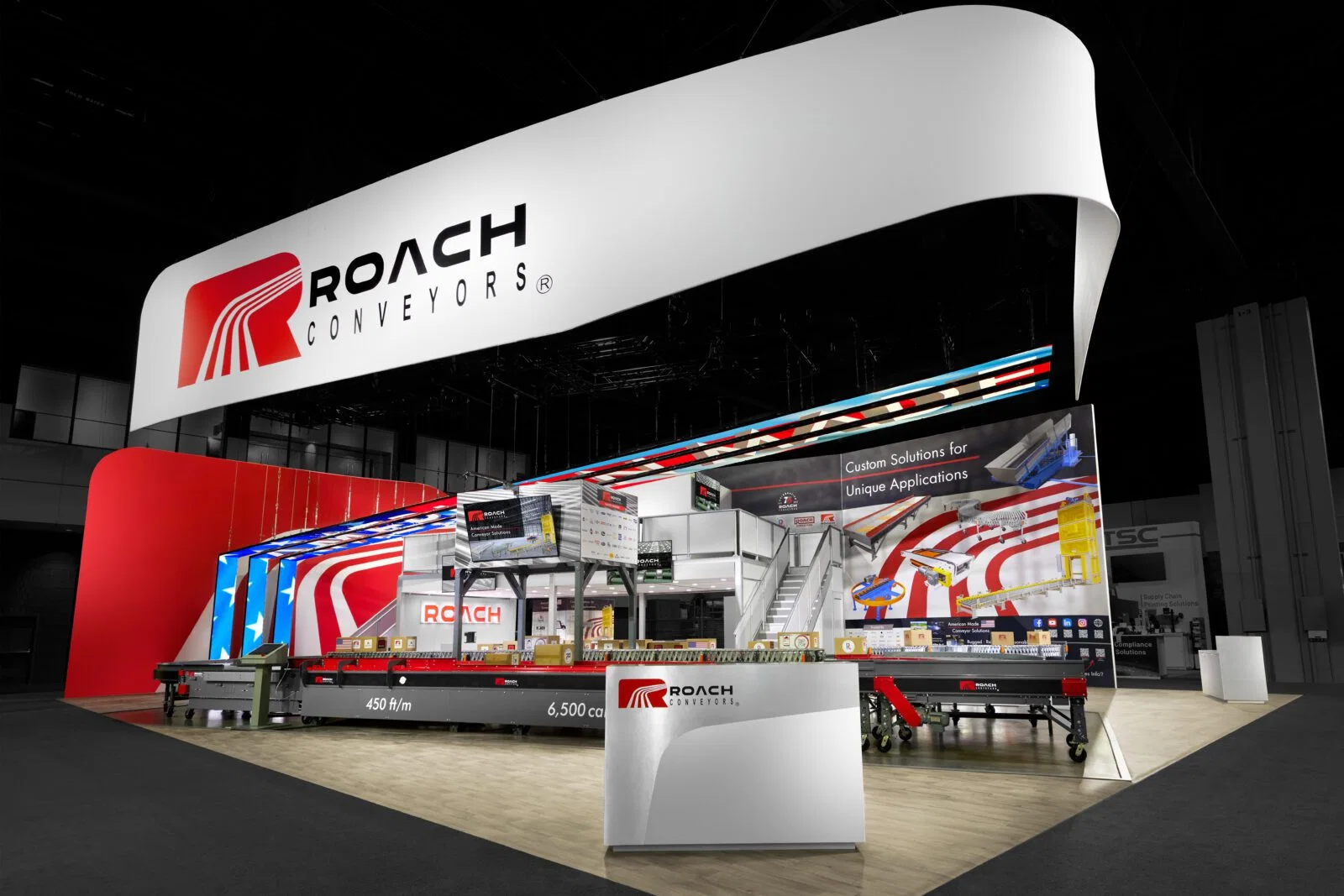
Trade Show Booth Design often carries the biggest execution weight, while corporate event services helps define the event behavior surrounding the environment.
For clients, the benefit is clarity.
Where Industrial Trade Show Services fits in the DFW market
It also means the work has to stay venue-aware.
We work to keep that reality visible.
What to decide before scope gets locked
It also helps to identify whether the environment is intended for one show, a repeat schedule, a sponsorship program, or a wider conference package. That answer changes how much design, production, and show-site discipline the project should carry from the beginning.
With that input in place, the services becomes a practical planning category instead of a vague marketing label.
How to evaluate an effective Industrial Trade Show Services brief
That clarity helps the client avoid two common problems.
The pages here are meant to prevent that drift.
Keeping Industrial Trade Show Services useful for the real buyer journey
Keeping the industry guides tied to the rest of the taxonomy helps the buyer see how the environment should function in the room and which parts of the scope deserve the most operational attention.
The vertical lens works best when it makes the next decision more precise. That is the standard the pages should meet.
Dallas-Fort Worth trade show market
Trade shows in the city move fast.
Trade show weeks in the city compress decisions.
Where Dallas-Fort Worth shows actually happen
A few the city venues carry most of the calendar.
The plan has to match the specific building.
Omni Dallas Hotel is one of the anchors. The hotel is adjacent to the Dallas Convention Center.
Hyatt Regency Dallas: the hotel has 1,120 guest rooms and 160,000 square feet of flexible meeting space.
Hilton Anatole. Visit Dallas describes the hotel as a 45-acre property in the Dallas Design District.
Who handles what during Dallas-Fort Worth install window
Most of what goes wrong on a the city install traces back to assumptions about labor. Staying inside the venue's published rules for the specific show prevents it.
The workable version of the city labor planning is boring on purpose: read the manual, match the scope to its categories, order what the venue sells directly, and schedule everything else around its posted windows. Surprises almost always trace back to a step someone skipped.
Scope on a industrial trade show services project
Individual projects layer or remove items based on scope.
A bad one has many, because they weren't.
From first call to strike
After the brief, the work turns to the building itself.
Install days are owned by a single on-site lead.
Throughout show hours, the on-site lead stays present.
Strike and closeout happen the same day.
Budget and timeline
Every project has the same cost drivers.
Lead time drives everything. Custom: 16 to 20 weeks. Rental: 8 to 12.
How project performance gets measured
Most programs in the city are evaluated on lead-capture volume, meetings booked on the floor, and qualified-pipeline attribution after the show. The booth is a means to those numbers — it is not the number itself.
A week after the show, the booth's actual floor performance is already clearer than any pre-show projection. We document those observations alongside the technical closeout so the next cycle inherits real signal, not nostalgia.
The advantage of a local Dallas-Fort Worth team
Trade Show Services keeps the work local.
Consistency across show dates is the other reason to hire local. The same crew that built the booth runs the install, knows the pack-out, and catches the small things — a missing hardware pack, a graphic edge that needs reseating, a storage crate routed to the wrong bay — without needing the client team to intervene.
Industrial Trade Show Services planning questions
Q: Do you work at Westin Dallas Downtown?
Yes. It is located adjacent to the Kay Bailey Hutchison Convention Center.
Q: How much lead time is ideal?
Q: What information kicks off a project?
Q: Who runs the booth on-site?
Q: Can the booth travel to the next city on our calendar?
Same structure, swappable graphics, standard crates.
Q: What happens if something breaks during show hours?
The on-site lead handles it.
the city trade show market
Trade shows in the city move fast. Major venues book out months in advance, freight windows run tight, and the exhibitors who win their weeks are the ones who arrive with a plan already in hand.
Trade show weeks in the city compress decisions. Dock windows are finite, rigging slots fill fast, and the labor calendar around a citywide conference runs hot. Exhibitors who treat planning as optional lose time they don't get back.
the city offers more than 440,000 square feet of meeting space and is near two major airports — a useful reference point when sizing a project.
Omni Dallas Hotel as adjacent to the Dallas Convention Center, reinforcing the downtown hotel-plus-convention-center workflow.
Where the city shows actually happen
The building matters more than almost anything else in a trade show plan. A few the city venues carry most of the calendar.
Across the the city venue set, what changes between buildings are the labor model, the rigging approval path, the drayage setup, and the published move-in window. The plan has to match the specific building.
Omni Dallas Hotel is one of the anchors. The hotel is adjacent to the Dallas Convention Center.
The listing shows 110,000 square feet of total meeting area.
Hyatt Regency Dallas: the hotel has 1,120 guest rooms and 160,000 square feet of flexible meeting space.
Hilton Anatole. Visit Dallas describes the hotel as a 45-acre property in the Dallas Design District.
Who handles what during the the city install window
Most of what goes wrong on a the city install traces back to assumptions about labor. We stay inside the rules for the specific show, which prevents it.
The workable version of the city labor planning is boring on purpose: read the manual, match the scope to its categories, order what the venue sells directly, and schedule everything else around its posted windows. Surprises almost always trace back to a step someone skipped.
Scope on a industrial trade show services project
A full engagement covers scope development, fabrication or rental, graphics, show services, logistics, and on-site execution from move-in through dismantle.
What shows up in most budgets: structure, graphics, AV, show-service orders through the venue, labor, freight, supervision days, and closeout. Individual projects layer or remove items based on scope.
A well-run project has few surprises on install day because the handoffs upstream were tight. A bad one has many, because they weren't.
Multi-show programs add asset management: storage, refurbishment, graphic swaps, and scheduled re-kitting so the booth rolls cleanly from the city to the next city on the calendar.
Out of scope by default are show organizer fees, booth lease costs paid directly to the show, staff travel and per diems, and any custom software or data-capture tooling the client runs on its own stack. Those stay on the client side and plug into the project through coordination, not rebilling.
From first call to strike
Every engagement begins the same way. The venue, the show dates, the footprint, and the target outcome go on the table first. From those four inputs, a real plan can be built.
After the brief, the work turns to the building itself. Dock windows, utility orders, rigging approvals, and labor calls are all confirmed in writing before anything goes to fabrication.
Production covers fabrication, graphics, AV spec, rentals, and crew chief assignment. It is the longest phase of most projects and the one where timelines are either protected or lost.
Install days are owned by a single show floor lead. That person carries the plan, works the punch list in real time, and reports up once a day with real status.
Throughout show hours, the show floor lead stays present. Tech breaks, sponsor changes, venue requests — all handled without pulling the client team off the floor.
Strike and closeout happen the same day. Storage labels, outbound manifests, vendor performance notes, and a written debrief go out within 24 hours of doors closing.
Budget and timeline
Every project has the same cost drivers. The number depends on scope, and scope depends on a handful of specific variables.
Six variables drive the cost: custom versus rental, booth footprint and complexity, venue-specific labor and rigging fees, graphics scope and substrate, freight distance and timing, and the number of on-site supervision days.
Lead time drives everything. Custom: 16 to 20 weeks. Rental: 8 to 12. Under 4 weeks is possible but narrows choices and raises cost.
How project performance gets measured
The measure of a good engagement is simple: on-time install, no venue callouts, clean show hours, and a closeout that makes the next event easier to book.
Most programs in the city are evaluated on lead-capture volume, meetings booked on the floor, and qualified-pipeline attribution after the show. The booth is a means to those numbers — it is not the number itself.
A week after the show, the booth's actual floor performance is already clearer than any pre-show projection. We document those observations alongside the technical closeout so the next cycle inherits real signal, not nostalgia.
The advantage of a local the city team
Trade Show Services keeps the work local. Design, build, and install share the same team and the same playbook, which is how quality survives across a show week.
Working with a the city-based shop matters most when something goes wrong on-site. Solutions live within driving distance instead of on another coast.
Consistency across show dates is the other reason to hire local. The same crew that built the booth runs the install, knows the pack-out, and catches the small things — a missing hardware pack, a graphic edge that needs reseating, a storage crate routed to the wrong bay — without needing the client team to intervene.
Industrial Trade Show Services planning questions
Q: Do you work at Westin Dallas Downtown?
Yes. it is located adjacent to the Kay Bailey Hutchison Convention Center. Projects at that building are planned against its specific floor rules.
Q: How much lead time is ideal?
Custom builds run best with 16 to 20 weeks of lead time. Rentals take 8 to 12 weeks. Work inside 4 weeks is possible but raises costs and narrows the options.
Q: What information kicks off a project?
The show, the venue, the booth number, the dates, and a target budget range. From those, an initial scope and a realistic cost come back within a few days.
Q: Who runs the booth on-site?
One named show-site lead runs the install, the show hours, and the strike. That person carries the floor plan and the punch list from crates to doors and reports up once a day.
Q: Can the booth travel to the next city on our calendar?
Yes — builds are designed for modular reuse unless single-use scenic is specifically required. Same structure, swappable graphics, standard crates. the city programs that roll to another city on the same calendar get handled end to end.
Q: What happens if something breaks during show hours?
The show floor lead handles it. Minor repairs happen in place; anything larger gets sourced from the local fabricators or rerouted through the venue's service desk.